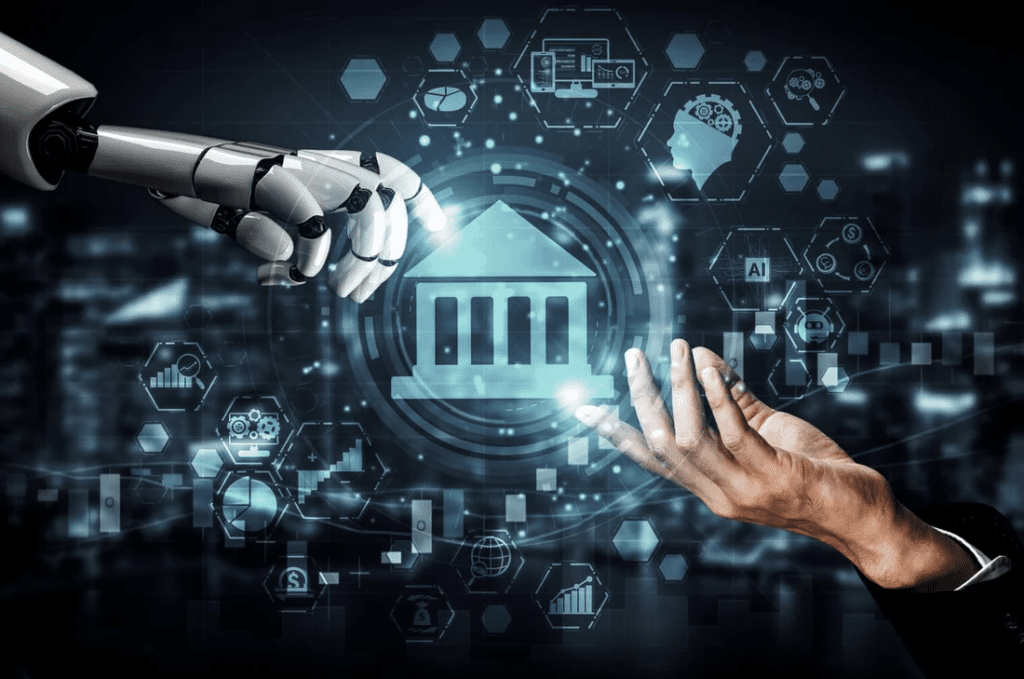
The old image of an investment banker, someone chained to a desk at 2:00 AM fixing typos in a pitchbook, is fading. As automated tools take over the grunt work, the role is becoming less about data entry and more about high-level judgment. People often ask, what does an investment banker do if a program can now handle the heavy financial modeling? The reality is that while the tools are faster, the responsibility on the human lead has actually grown.
In this new environment, your value isn’t found in how fast you can type. It’s found in how well you can guide a client through a life-changing merger. For anyone looking to break into the field today, investment banking classes are moving away from teaching basic shortcuts and toward teaching how to manage these digital assistants.
Moving Beyond the Spreadsheet
For decades, junior analysts were essentially human calculators. They spent most of their time pulling numbers from PDF files and plugging them into Excel. When deals are AI-assisted, that part of the job vanishes. Now, software can read a balance sheet and build a draft model in seconds. So, what does an investment banker do with all that extra time? They look for the “why” behind the numbers.
Bankers stop worrying about the math and start looking at the heart of the deal. They spot shifts in the market or rival plays that bots miss. This is exactly what does an investment banker does today. Because of this, modern investment banking classes ditch the old drills and push students to think through real business stories instead.
Managing the Machine in Due Diligence
Due diligence used to be a mountain of paperwork that took months to climb. Today, algorithms can scan thousands of legal documents to find hidden risks or weird clauses in a fraction of the time. In an AI-assisted world, the banker acts as the final filter. You take the red flags the software finds and decide which ones are deal-breakers and which ones are just noise.
This requires a different kind of “street smarts.” You have to know the software well enough to trust it, but you also have to be cynical enough to double-check its work. This balance of tech skills and financial intuition is exactly what students practice in top-tier investment banking classes.
The Human Side of the Deal
A machine can suggest a price, but it can’t look a founder in the eye and convince them to trust a buyer. When we look at what an investment banker does, the “soft skills” are now the “hard skills.” Negotiation, reading body language, and building a narrative are things AI can’t touch.
The goal of using technology is to get the data out of the way so you can spend more time with the people involved. A banker who can use AI to get the facts quickly, and then use their personality to close the deal, is the one who wins. This is a major theme in current investment banking classes, where the focus is shifting toward communication and executive presence.
Setting the Strategy
When the math is automated, the banker becomes a strategist. You aren’t just a technician; you’re an advisor. If the software runs a thousand different scenarios for a company’s future, you are the one who has to pick the most realistic path.
When people ask what an investment banker will do in 2026, the answer is: they curate the options. You use the machine’s speed to see more possibilities, then you use your experience to choose the right one. Getting comfortable with this kind of decision-making is a core part of the journey, often starting with hands-on projects in investment banking classes.
Why the Human Touch Still Wins
At the end of the day, investment banking is a relationship business. A client isn’t paying a fee because you have the best software; they are paying for your judgment. They want to know that when things get messy during a merger, you have the calm head and the experience to fix it.
AI makes the process smoother, but it doesn’t replace the need for a smart person in the room. By taking the boring stuff off your plate, these tools allow you to be the banker you actually wanted to be, one who solves big problems and builds big things.